
Community
Texas faces physical road test at Missouri as Longhorns enter final stretch
By Clara Nguyen
Advertisement · Why this ad?
Sofia Morales specializes in covering tech policy and its implications for the community. A graduate of UT Austin with a focus on Political Science, she has experience writing for local government publications and tech advocacy groups for 6 years.
More from Sofia →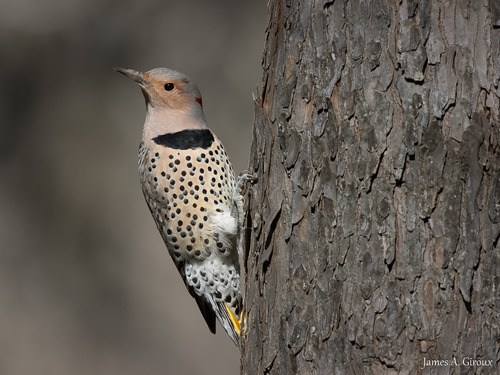
As the golden hues of autumn settle over Central Texas, birdwatchers across the region prepare for the arrival of a familiar visitor: the Northern Flicker. This striking woodpecker, with its vibrant plumage and distinctive call, graces the Austin area starting in October and remains a cherished sight through the early spring months. For many, the Northern Flicker is not just a bird; it symbolizes the changing seasons and the vibrant tapestry of life that thrives in our community.
The November bird forecast from Travis Audubon highlights the Northern Flicker as a key species to observe this month. Known for its unique behavior of foraging on the ground for ants and beetles, this woodpecker is a delightful addition to the diverse avian population in Central Texas. Typically, these birds can be spotted in open woodlands, parks, and even suburban backyards, making them accessible to both seasoned birdwatchers and casual observers alike.
What sets the Northern Flicker apart from other woodpeckers is its preference for ground foraging, a behavior that is quite rare among its relatives. This distinctive trait allows it to thrive in various habitats, from urban settings to more natural landscapes. Their presence not only enriches the local ecosystem but also provides a wonderful opportunity for families to engage in outdoor activities together, fostering a love for nature and wildlife.
As we transition into November, bird enthusiasts are encouraged to keep an eye out for these charming birds. The flickers can be identified by their unique markings: a brown body adorned with black spots, a distinctive black crescent on their chest, and a flash of bright yellow under their wings. Observing their behavior and interactions can be a rewarding experience for all ages.
The arrival of the Northern Flicker has sparked excitement within the Austin community. Local birdwatching groups, such as the Austin Birding Society, have organized events to celebrate these woodpeckers and educate residents about their habits and habitats. These gatherings not only promote awareness of local wildlife but also strengthen community bonds as neighbors come together to share their passion for birdwatching.
One notable event is the annual Birding Festival held at Zilker Park, which draws in families and bird enthusiasts from across the region. This festival features guided birdwatching tours, educational workshops, and activities for children, fostering a sense of community while highlighting the importance of avian conservation. Local experts share their knowledge about the Northern Flicker and other species, creating an engaging environment for learning and exploration.
Families are particularly encouraged to participate in birdwatching as a way to connect with nature and each other. The Northern Flicker’s arrival provides a perfect opportunity for parents to introduce their children to the joys of observing wildlife. Local parks, such as Zilker Park and Zilker Park, serve as excellent spots for birdwatching, offering a chance to witness the flickers in their natural habitat.
Moreover, educational programs hosted by organizations like Travis Audubon aim to instill a sense of stewardship in young minds. By learning about the Northern Flicker and other local species, children can develop a deeper appreciation for the environment and the importance of protecting it for future generations. These programs often include interactive activities, such as birdhouse building and nature scavenger hunts, which engage children and ignite their curiosity about the natural world.
For families looking to enhance their birdwatching experience, local stores such as Wild Birds Unlimited offer birdwatching supplies, including binoculars and field guides. The staff at these stores are often knowledgeable birders themselves, ready to provide tips and recommendations tailored to the local area.
As we look ahead, the Northern Flicker will continue to be a focal point for birdwatchers throughout November and into the early spring. With the cooler weather, these woodpeckers will become more active, providing ample opportunities for observation. Birdwatching not only offers a chance to appreciate the beauty of these creatures but also serves as a reminder of the delicate balance of our ecosystem.
In addition to the Northern Flicker, November is an excellent month for spotting various migratory birds that pass through Central Texas. Species such as the American Robin and the American Robin are also expected to make appearances, enriching the local birdwatching experience. Birdwatchers may also encounter the enchanting sight of the American Robin, known for its vibrant blue plumage and cheerful song.
For those interested in learning more about birdwatching, resources are available through local organizations and online platforms. The National Audubon Society provides valuable information on bird identification, conservation efforts, and community events. Engaging with these resources can enhance the birdwatching experience and foster a greater connection to the natural world. Additionally, social media groups and local forums allow bird enthusiasts to share their sightings and experiences, creating a vibrant community of like-minded individuals.
The significance of the Northern Flicker extends beyond its aesthetic appeal; it represents a vital part of the Central Texas ecosystem. As a ground forager, the Northern Flicker plays an essential role in controlling insect populations, which can help maintain the health of local flora. Their presence signals a thriving environment, indicative of a balanced ecosystem that supports various wildlife species.
Furthermore, the excitement surrounding the Northern Flicker's arrival fosters a culture of environmental stewardship within the community. As residents engage in birdwatching and conservation activities, they become more attuned to the natural world around them. This heightened awareness can lead to increased advocacy for local conservation efforts, such as protecting natural habitats and promoting sustainable practices.
The arrival of the Northern Flicker in Central Texas marks a significant moment for both the avian community and local residents. As families venture outdoors to observe these beautiful woodpeckers, they are reminded of the importance of nature in our lives. The joy of birdwatching fosters connections between generations and encourages a commitment to preserving our environment. As we embrace the beauty of November, let us celebrate the presence of the Northern Flicker and the myriad of other bird species that enrich our community.
By Clara Nguyen

By Ethan Brooks

By Sofia Morales

By Aisha Ramirez