Government
Texas election results: Dallas voters weigh in on Prop A and a $443M bond for new police facilities
By Lindsey Harper
Advertisement · Why this ad?
Samir has over 6 years of experience in local journalism, focusing on government and politics. He received his degree in Political Science from Texas A&M University and has previously reported for the Waco Tribune-Herald. Samir is known for his in-depth coverage of city council meetings and local initiatives.
More from Samir →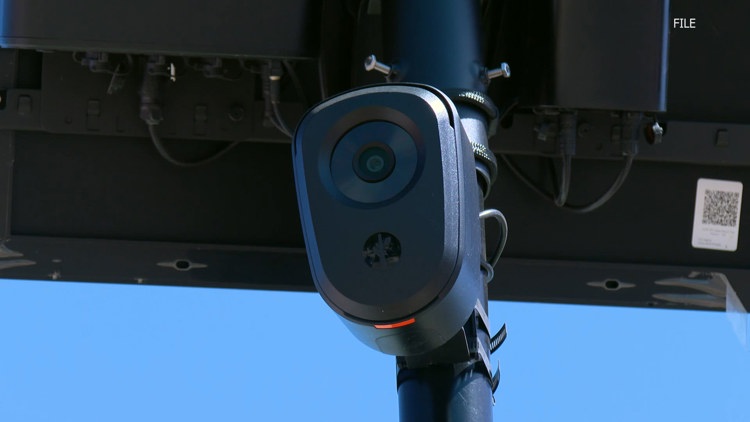
As the sun began to rise over Robinson, Texas, Mayor Greg May stood outside City Hall, addressing a growing concern among residents. With a firm voice, he announced that the controversial Flock license plate reader cameras, which have been a topic of heated debate, would soon be removed from the city. The decision, he emphasized, was made after careful consideration of community feedback and a desire to foster trust between residents and local law enforcement.
In a recent city council meeting, Mayor May confirmed that the Flock cameras, installed to enhance public safety and assist in crime investigations, would be dismantled. The cameras, which had been operational for several months, were met with mixed reactions from the community. While some residents appreciated the potential for increased security, others raised concerns about privacy and the implications of constant surveillance.
“We heard the voices of our citizens,” Mayor May stated. “This is a decision that reflects our commitment to transparency and the values of our community.” The cameras were initially introduced as part of a broader initiative to combat rising crime rates in the area, but their presence sparked a backlash that could not be ignored.
The announcement of the camera removal was met with a mixture of relief and disappointment from residents. For many, the cameras represented an invasion of privacy that contradicted the small-town values they cherish. “It’s a win for personal privacy,” said local resident Sarah Thompson. “We want to feel safe in our community, but not at the cost of being constantly watched.”
Conversely, some residents voiced their concerns about the potential for increased crime in the absence of the cameras. “I understand the privacy concerns, but we have to find a balance,” said John Martinez, a local business owner. “The cameras helped deter crime, and now I worry about what that means for our safety.” This divide highlights the challenge of navigating public safety measures while respecting individual freedoms.
To further understand the community's sentiments, local resident forums have been organized to discuss the implications of the camera removal. These gatherings have allowed residents to voice their opinions and engage in constructive dialogue. For instance, during a recent forum at the Robinson Community Center, residents shared personal stories about their experiences with crime and safety, emphasizing the need for a community-driven approach to public safety. These discussions have emphasized the importance of community involvement in local governance, reinforcing the idea that residents should have a say in the policies that affect their daily lives.
The Flock cameras were part of a growing trend across the nation, where cities are increasingly turning to technology to enhance law enforcement capabilities. License plate readers can assist in tracking stolen vehicles and identifying suspects in criminal investigations. However, the ethical implications of such technology have sparked nationwide debates.
In Robinson, the decision to remove the cameras reflects a broader conversation about the role of technology in public safety. While advancements can provide significant benefits, they also raise questions about privacy rights and the potential for misuse. Mayor May's decision serves as a reminder that technological solutions must align with community values and expectations.
Experts in law enforcement technology have weighed in on this issue, suggesting that while technology can enhance police effectiveness, it should not come at the expense of community trust. Dr. Emily Carter, a criminologist at the University of Texas, stated, “Communities must feel secure in their privacy for any safety measure to be effective. The challenge lies in finding tools that enhance safety without infringing on personal freedoms.” This perspective resonates with many Robinson residents who feel that the cameras created a culture of suspicion rather than security.
As Robinson moves forward without the Flock cameras, city officials are exploring alternative methods to enhance public safety. Mayor May has indicated that the city will focus on community policing initiatives and increased collaboration between law enforcement and residents. “Building trust is essential,” he noted. “We want our officers to be seen as part of the community, not just enforcers of the law.”
In addition to community policing, the city is considering investing in neighborhood watch programs and other grassroots initiatives that empower residents to take an active role in their safety. “When families and neighbors come together, we create a stronger community,” said Mayor May. “That’s the kind of environment we want to foster in Robinson.”
Local organizations, such as the Robinson Neighborhood Association, are already mobilizing to establish these programs. They plan to hold workshops on crime prevention and safety awareness, enabling residents to learn how to protect their homes and neighborhoods effectively. Community leaders are optimistic that these initiatives will not only enhance safety but also strengthen community bonds.
Local business owners are keenly aware of the balance between safety and privacy. John Martinez, who runs a popular café in Robinson, expressed his concerns about crime rates potentially rising without the cameras. “We’ve worked hard to create a welcoming environment for families and visitors, and any increase in crime could deter people from coming here,” he noted. “We need to find solutions that ensure safety while respecting our community’s values.”
Martinez is not alone in his sentiments. Many local businesses are considering how to adapt to this new landscape. Some are exploring partnerships with local law enforcement to create a more secure environment through visibility and community engagement. “We’re all in this together,” he said. “If we can work with the police and our customers to create a safe space, we can thrive as a community.”
Residents seeking more information about public safety initiatives in Robinson can visit the city’s official website or contact the local police department. Resources such as neighborhood watch programs, community meetings, and safety workshops are available for residents looking to engage and contribute positively to their community. Additionally, the city encourages feedback on safety measures to ensure that they reflect the needs and values of its residents.
As Robinson continues to navigate the complexities of public safety, the removal of the Flock cameras stands as a pivotal moment in the city’s governance. It underscores the importance of community involvement and the need for policies that prioritize both safety and individual freedoms. The journey ahead will require collaboration, open dialogue, and a commitment to building a community where families can thrive in safety and peace. As Mayor May aptly put it, “Our strength lies in our unity and our shared commitment to a safe, respectful, and open community.”
By Lindsey Harper

By Jamal Robinson

By Carlos Mendoza

By Ella V. Ramirez