Sports
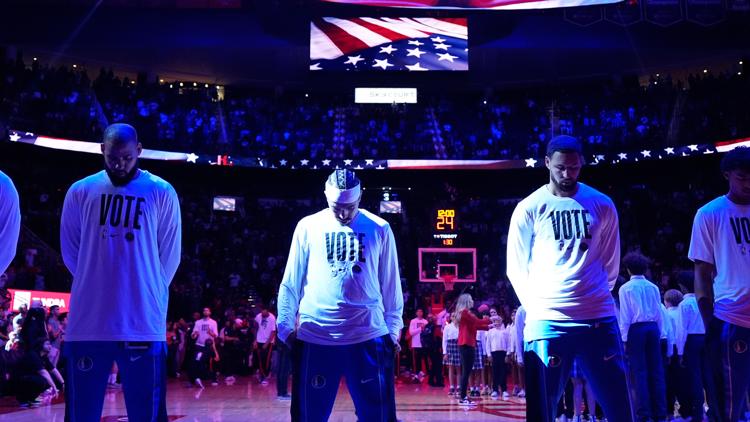
Why are there no NBA games on Election Day?
By Tina Caldwell
Advertisement · Why this ad?
Tasha Williams, a graduate of Texas A&M University, has covered local sports for over 8 years at various Houston outlets, including KHOU. Her passion for grassroots athletics brings a unique perspective to high school and community sports reporting.
More from Tasha →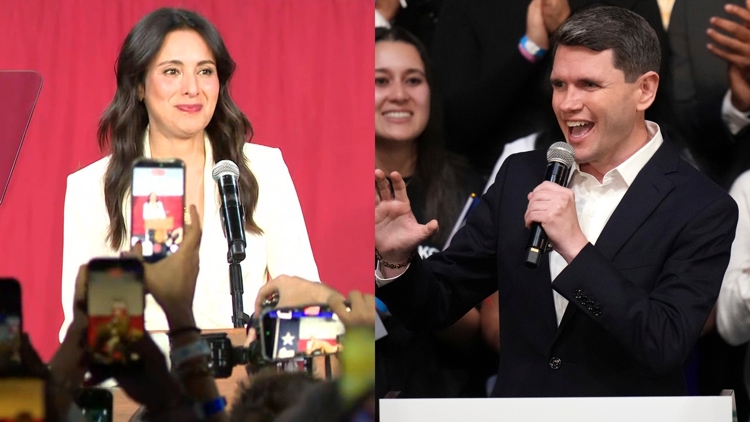
As the sun dipped below the Houston skyline on a warm November evening in 2026, the air buzzed with excitement. Families gathered around their televisions, eyes glued to the results of a historic election that would reshape the political landscape of Texas. The cheers erupted from living rooms across the state as Democrats celebrated unprecedented victories, marking a significant shift in the Lone Star State's political narrative. This moment was not just about numbers; it was a reflection of evolving communities and the voices of Texans who felt empowered to make a change.
In the 2026 elections, Texas Democrats achieved a milestone that many had deemed impossible just a few years prior. Major victories in key districts demonstrated a seismic shift in voter behavior, particularly among Latino, suburban, and rural populations. Analysts pointed to the increasing diversity of the electorate as a significant factor driving these outcomes. For instance, in areas like Harris County, the Democratic Party saw a surge in support, flipping several long-held Republican seats.
According to data from the U.S. Census Bureau, the Latino population in Texas has grown substantially, now constituting over 30% of the state's electorate. This demographic shift has empowered candidates who resonate with their experiences and priorities, leading to a renewed sense of political engagement. Community leaders, such as local activist Javier Martinez, have been pivotal in mobilizing Latino voters. “This is not just about winning elections; it’s about ensuring our voices are represented in policy decisions that affect our lives,” Martinez stated.
Moreover, suburban areas that traditionally leaned Republican began to show signs of discontent with the status quo. Issues such as education, healthcare, and gun control resonated deeply with voters, particularly women and younger families seeking change. The Democratic Party's ability to connect with these concerns proved pivotal in swaying undecided voters. In suburban neighborhoods like Katy and The Woodlands, grassroots campaigns focused on local issues, from school funding to public safety, helped bridge the gap between candidates and constituents.
The response from the community has been overwhelmingly positive, with many residents expressing hope for a brighter future. Local organizations, such as the Greater Houston Partnership, have been instrumental in fostering discussions around civic engagement and the importance of voting. Their efforts have encouraged many first-time voters to step into the polling booth, feeling their voices matter. Events like community forums and town hall meetings have become common, allowing residents to interact directly with their elected officials.
“This is a win for everyone who believes in progress and inclusivity,” said Maria Gonzalez, a community leader in Houston. “We’ve worked hard to ensure our voices are heard, and this election proves that our efforts are paying off.” Gonzalez's organization, which focuses on empowering women and minorities, has seen an uptick in participation since the election, illustrating a growing commitment to civic engagement.
The election results have sparked a renewed sense of civic duty among residents. Many have taken to social media to celebrate their victories and encourage others to stay engaged. Local schools have also begun initiatives to educate students about the electoral process, emphasizing the importance of participation in democracy. Educators are incorporating lessons on civic responsibility into their curricula, aiming to instill a sense of duty in the next generation.
As families discuss election results at the dinner table, they are not just celebrating victories; they are fostering a culture of engagement that will carry into future elections. This shift in mindset is crucial for the long-term health of democracy in Texas. Community events celebrating the election outcomes have also provided platforms for local artists and musicians, further enriching the cultural fabric of the region.
Looking ahead, the Democratic Party in Texas faces both opportunities and challenges. With newfound representation, there is a pressing need to deliver on promises made during the campaign. Constituents are eager to see tangible changes in areas such as education reform, healthcare access, and economic growth. The pressure is on for elected officials to unite and work collaboratively to achieve these goals. Local leaders like State Senator Linda Ramirez have expressed a commitment to addressing these issues head-on. “We need to ensure that we follow through on our promises. The people have spoken, and it’s time we listen,” she remarked.
Moreover, the party must continue to engage with communities across the state, ensuring that the voices of all Texans are heard. This involves not only addressing the concerns of urban voters but also reaching out to rural areas that feel overlooked. Building bridges across diverse communities will be essential for maintaining momentum and fostering a sense of unity. Initiatives aimed at rural outreach, such as mobile town halls and community workshops, are already being planned to ensure that rural voices are included in the dialogue.
The 2026 election cycle has provided valuable lessons for both parties. For Democrats, the key takeaway is the importance of grassroots organizing and authentic engagement with voters. Success was not merely a result of national trends; it was built on the foundation of local activism and community involvement. The role of social media in mobilizing younger voters cannot be overstated, as platforms like TikTok and Instagram became vital tools for campaign outreach.
Republicans, on the other hand, must reassess their strategies and address the shifting demographics of Texas. Ignoring the voices of diverse communities could lead to further losses in future elections. It’s a wake-up call for the party to realign its message and priorities to better reflect the values of a changing electorate. Many Republican leaders have begun to acknowledge this need for change, with discussions around inclusivity and outreach becoming more prevalent in their rhetoric.
As families come together to discuss the future of their state, the importance of strong marriages and intact families cannot be overlooked. A stable home life often translates into community stability and engagement. By fostering environments where families thrive, Texas can build a brighter future for generations to come. Community organizations, churches, and local leaders play a vital role in reinforcing these values. By promoting family unity and encouraging civic participation, they can help cultivate a culture of commitment and resilience that benefits everyone.
Local initiatives aimed at family support, such as parenting workshops and community bonding events, have gained traction in the wake of the election. These programs not only strengthen family ties but also encourage community involvement, creating a ripple effect of positive change.
The 2026 elections were more than just a series of victories for Texas Democrats; they marked a turning point in the state's political landscape. As communities come together to celebrate these changes, it’s essential to remember that the work is far from over. Engaging with voters, addressing their concerns, and fostering a culture of inclusivity will be crucial as Texas moves forward. The journey ahead is filled with promise, and with it, the hope of a united and thriving Texas. The lessons learned from this election cycle will shape the political strategies of both parties in the years to come, setting the stage for a new era in Texas politics.