
Community
Why Odessa voters are being asked to decide on dozens of city charter propositions
By Aisha Ramirez
Advertisement · Why this ad?
Aisha Ramirez is a proud Odessa native with a degree in Journalism from the University of Texas of the Permian Basin. She has spent the last five years covering community issues for local blogs and newspapers, making her a trusted voice in Odessa’s neighborhoods.
More from Aisha →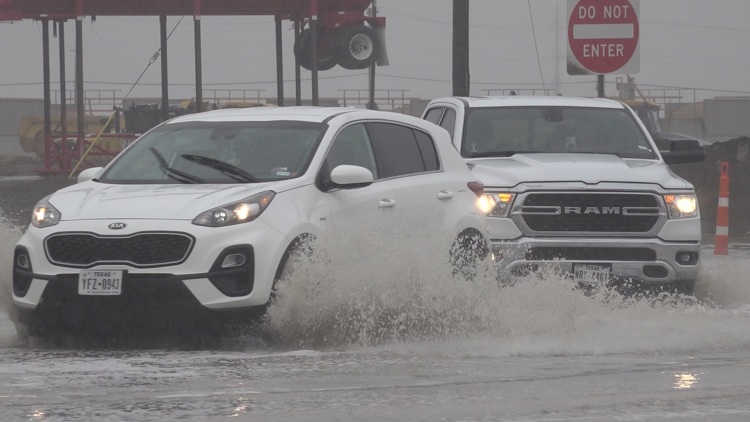
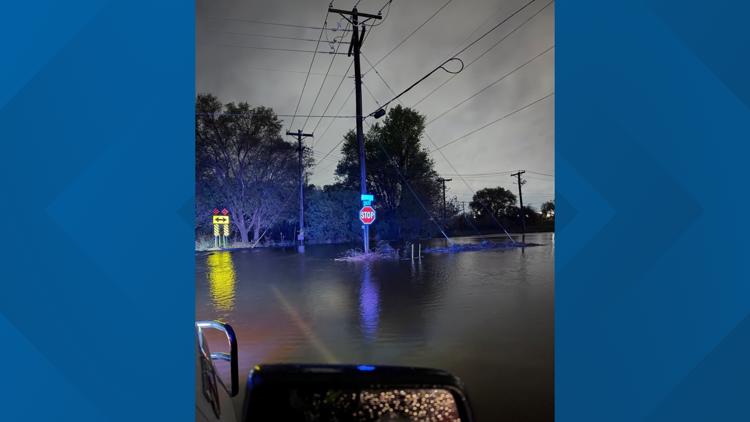
As the sun dipped below the horizon on a recent evening, the skies above Midland-Odessa darkened ominously, unleashing a torrential downpour that transformed familiar streets into rushing rivers. Residents, accustomed to the occasional rainstorm, found themselves grappling with a new reality—one where the roads they drive daily were suddenly unrecognizable, submerged under several inches of water. This unsettling scene is not just a fleeting moment; it marks a significant shift in how rainfall impacts our community.
The recent storms that swept across Midland-Odessa have brought with them an alarming increase in local flooding. According to the National Weather Service, the rainfall patterns this season are distinct from previous years, raising concerns among meteorologists and city planners alike. The storms have dumped an unusual amount of rain in a short period, overwhelming drainage systems that have not been updated to handle such intense weather events.
On a single day, the area received over three inches of rain, a stark contrast to the typical rainfall averages. This sudden surge has led to widespread road closures and hazardous driving conditions, causing not only inconvenience but also potential danger for residents. Local authorities have been working tirelessly to monitor the situation, deploying crews to clear roads and assist stranded motorists.
“We’ve seen a significant increase in the volume of water in our streets,” said Midland City Manager, Dale Fisseler. “The infrastructure simply wasn’t built for this kind of rainfall, and we need to adapt to these changing conditions.”
So, what exactly has changed in Midland-Odessa's rainfall patterns? Experts suggest that a combination of climate change and urban development has played a pivotal role. As the population grows, so does the amount of impermeable surfaces—like roads and buildings—that prevent water from being absorbed into the ground.
This urban sprawl has led to an increase in runoff, which, when combined with heavy rainfall, can quickly lead to flooding. The Environmental Protection Agency notes that cities are particularly vulnerable to flooding due to these factors, and Midland-Odessa is no exception.
Additionally, meteorological changes have resulted in more intense storms. According to NOAA, the frequency of heavy rainfall events has increased in many regions, and the Permian Basin is experiencing these shifts firsthand. This means that the storms that once brought gentle showers now unleash torrents that can overwhelm our infrastructure.
The implications of these changes are profound for the residents of Midland-Odessa. Many families found themselves stranded in their homes, unable to venture out due to flooded streets. Local businesses faced significant losses as customers stayed away, and some even had to close their doors temporarily. The economic ripple effects of flooding can be devastating, especially for small businesses that rely on foot traffic.
Community leaders are stepping up to address these challenges. The Midland Chamber of Commerce has launched initiatives aimed at supporting affected businesses and helping families navigate the recovery process. “We are committed to ensuring our community bounces back stronger than ever,” said Chamber President, Chad Dyer.
Moreover, the emotional toll on residents cannot be overlooked. Families are worried about their homes and their safety, and the sense of community resilience is being tested. Local churches and organizations are rallying together to provide support, offering shelter, food, and resources for those in need.
Among the many families affected, the Johnsons, who have lived in Midland for over a decade, experienced a harrowing night when floodwaters crept into their home. “We never thought we would see something like this,” said Sarah Johnson. “We had to evacuate our children and grab what we could. The community has been amazing, though. Neighbors came out to help us move our belongings to higher ground.”
Stories like the Johnsons’ illustrate the strength of community bonds during crises. Local businesses, such as The Coffee Shop on Main Street, opened their doors to provide free meals to those displaced by the flooding. “It’s about supporting each other,” said owner Mark Ramirez. “We’re all in this together.”
In light of these recent storms, city officials are re-evaluating their approach to flood management. The Midland-Odessa area is actively exploring options for upgrading its drainage systems and improving infrastructure to better handle future rainfall. This includes potential investments in green infrastructure, which can help absorb excess rainwater and reduce runoff.
“We need to think long-term about how we manage our water resources,” said Odessa City Manager, Odessa City Government. “It’s not just about fixing the immediate problems; we need to implement solutions that will serve our community for years to come.”
The city is also working with state and federal agencies to secure funding for these improvements. The Texas Department of Transportation has already begun discussions about potential partnerships to enhance roadway drainage and improve overall safety.
To ensure that the plans are effective, city officials are consulting with local environmental experts and engineers who understand the unique challenges faced by Midland-Odessa. This collaborative approach aims to create a comprehensive flood management strategy that incorporates community feedback and scientific insights. “We want to ensure that we’re not just throwing money at the problem but are implementing smart, sustainable solutions,” said Fisseler.
As residents navigate these challenging times, their voices are crucial in shaping the future of Midland-Odessa. Community forums are being held to gather input from citizens about their experiences and suggestions for improvement. Local leaders emphasize the importance of collaboration, stating that effective solutions must come from the ground up.
“We want to hear from our residents,” said Midland City Government. “Their insights are invaluable as we work together to build a safer, more resilient community.”
In these forums, residents have expressed concerns about the speed of response during flooding events and the need for better communication from city officials. Many emphasize the importance of proactive measures, such as improved warning systems and community education on flood preparedness.
Looking forward, the Midland-Odessa community stands at a crossroads. The recent rainfall has highlighted vulnerabilities in the area’s infrastructure, but it has also sparked a renewed commitment to addressing these challenges head-on. As residents come together to advocate for change, there is hope that the lessons learned from recent storms will lead to a more resilient future.
City officials are optimistic about the potential for positive change. With plans for infrastructure improvements and community engagement initiatives underway, there is a sense of determination among leaders and residents alike. “We have the opportunity to not only recover but to build a better Midland-Odessa,” said City Manager Fisseler.
As the community rallies together, it is clear that the spirit of Midland-Odessa remains unbroken. Through collaboration, commitment, and a shared vision for the future, residents are poised to transform their challenges into opportunities for growth and resilience.
By Aisha Ramirez
By Aisha Ramirez

By Aisha Ramirez
By Aisha Ramirez